
.jpeg)
Harming or killing snakes in this or past lives (even unknowingly)
Ancestors committing sins against serpent energies
Astrological reasons like Kala Sarpa Dosha, Naga Dosha, or Rahu-Ketu afflictions in the birth chart
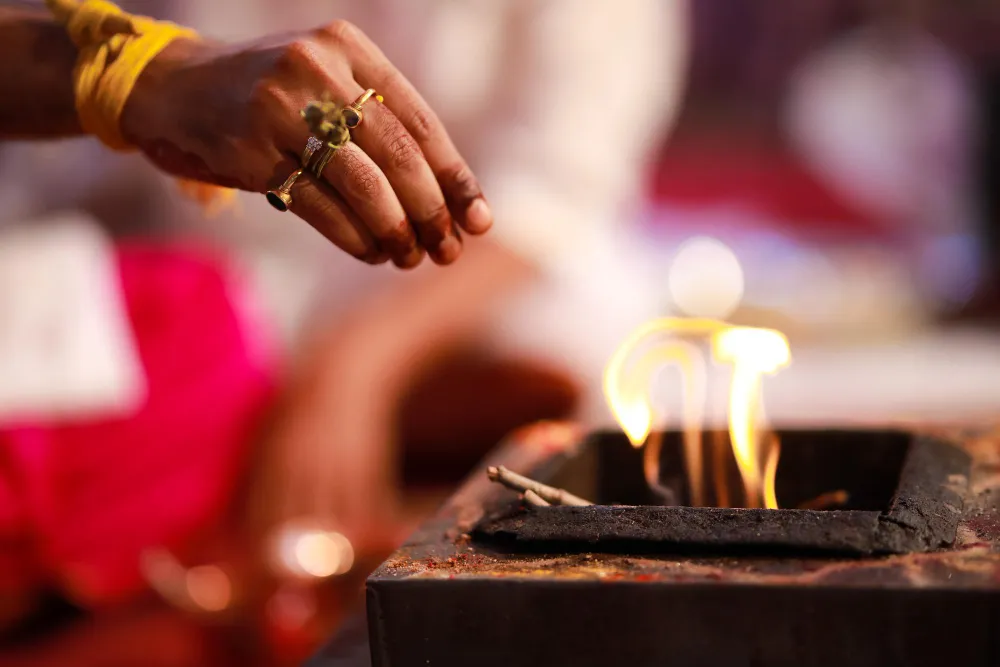
Sarpashanthi means calming the serpent energies. This pooja is done to seek forgiveness from Naga Devatas (Snake Gods), remove the curse, and bring peace, health, early marriage, children, and overall prosperity in life.
sarpashanthi Pooja aims to remove these negative effects and bring positivity, good health, marriage prospects, children, and peace and happiness in the family.
Rameswaram is one of the holiest places in India. It is believed that Lord Rama worshipped Lord Shiva here to get rid of Brahmahatya Dosha after the war in Lanka.
It is part of the Dham Yatra and is known for powerful energies and sacred Theerthams (holy water bodies). Performing any kind of dosha nivarana (remedy rituals) here, especially Sarpashanthi, gives quick and lasting results.
Rameswaram is also mentioned in ancient scriptures as the best place for:
Pitru Dosha Nivaran
Sarpa Dosha Pariharam
Remedy for marriage, childbirth, and ancestral curses
You should consider doing this pooja if you or your family members experience:
Delay in marriage
Problems in conceiving children
Repeated miscarriages
Unexplained health issues
Career and financial instability
Relationship problems
Recurring dreams of snakes
Astrological doshas like Kala Sarpa, Naga Dosha, or Rabu-Ketu affliction
It's often advised by astrologers or priests after checking the horoscope (kundli/iathakam).
Doing this pooja with faith and dedication in Rameswaram can bring you the following benefits
Removes the effects of Sarpa Dosha and Naga Dosha
Promotes peace, mental clarity, and good health
Helps with early and happy marriage
Helps couples to conceive children and avoid miscarriages
Brings harmony in relationships and family life
Increases career growth and removes financial blocks
Reduces fear, anxiety, and negative dreams
Gives blessings of Naga Devatas and Lord Shiva
When Should You Perform Sarpashanthi Pooja?
Our Special Sarpashanthi Package Includes
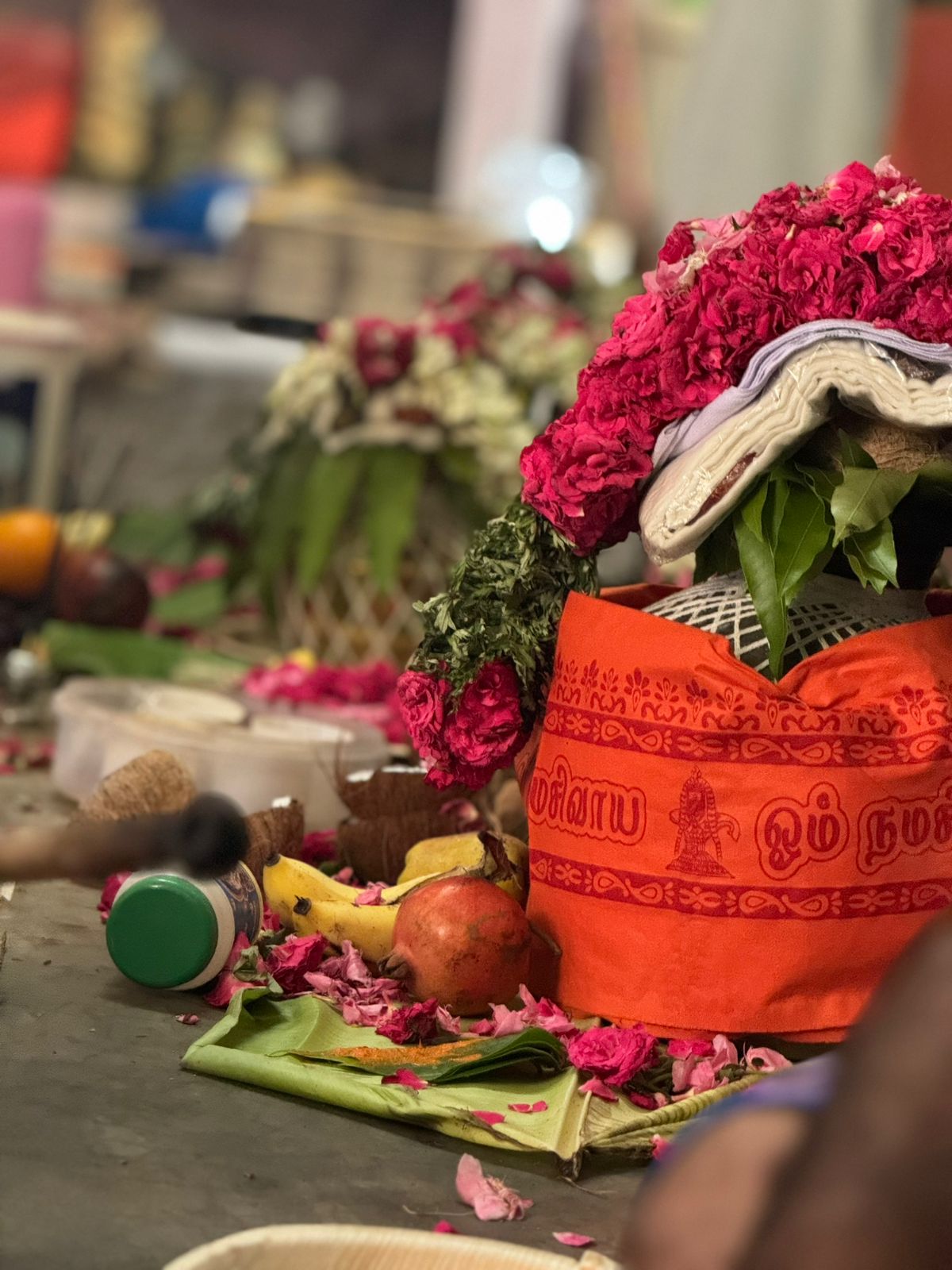
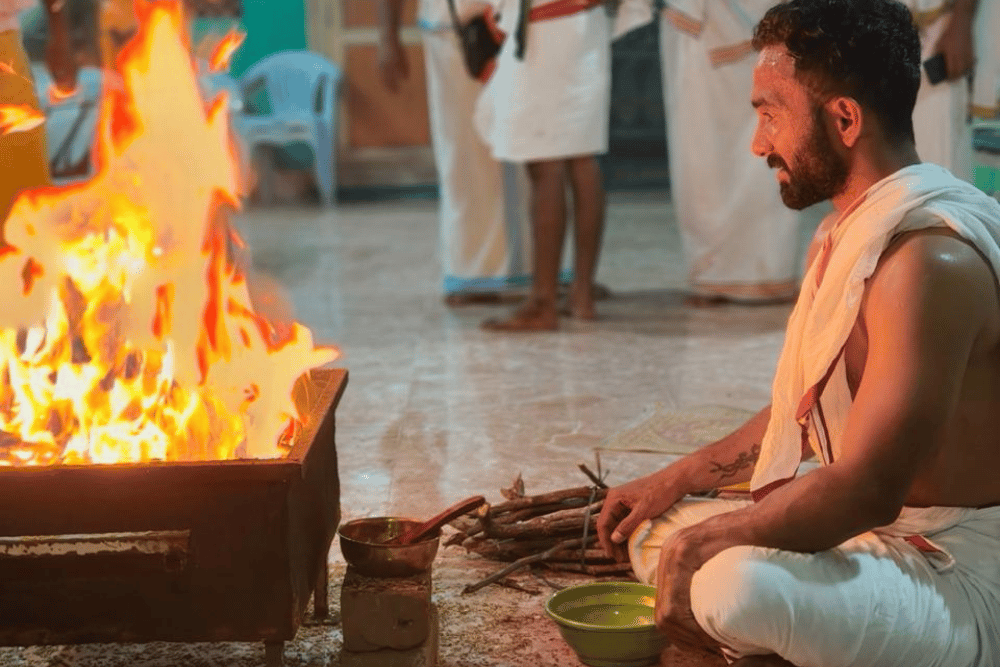
In Rameswaram, the pooja is performed by experienced Vedic priests according to ancient scriptures. Here's a general outline of the process:

The ritual begins with a dip in the 22 holy wells (Theerthams) in the Rameswaram temple. This is believed to purify the body and mind before the ritual.
The devotee sits with the priest, and the ritual is started by taking a vow to remove the dosha and seek blessings from serpent gods (Naga Devatas).
A fire ritual (homam) is conducted where offerings are made to Agni (fire god) and the serpent deities. Special mantras related to Rabu, Ketu, and Naga Devathas are chanted.
Clay or silver idols of snakes are worshipped and sometimes immersed in water after the ritual as a sign of releasing the slosha.
Since Rameswaram is the place of Lord Shiva, abhishekam (holy bath) is performed to Shiva with milk, curd, honey, and holy water.
Feeding the poor, cows, or Brahmins is considered a very auspicious part of the remedy.